Buying an older home can be an exciting opportunity, especially in Los Angeles and Orange County, where established neighborhoods offer beautiful architecture, mature landscaping, and properties with distinctive character.
But purchasing an older home also means looking beyond its appearance.
Fresh paint, renovated kitchens, and beautiful hardwood floors can make a property look move-in ready. However, the electrical system behind the walls may tell a different story.
Many older Southern California homes were originally designed for households that used far less electricity than families do today. Modern appliances, home offices, air conditioning, electric vehicle chargers, and entertainment systems can place additional demands on aging electrical infrastructure.
For homebuyers, identifying potential electrical problems before closing can help prevent unexpected expenses and make future renovations easier to plan.
Understanding these concerns is particularly important when investing in an older property that may have undergone several renovations over the years.
Here are seven electrical problems every homebuyer should investigate before moving into an older house.
1. An Outdated Electrical Panel
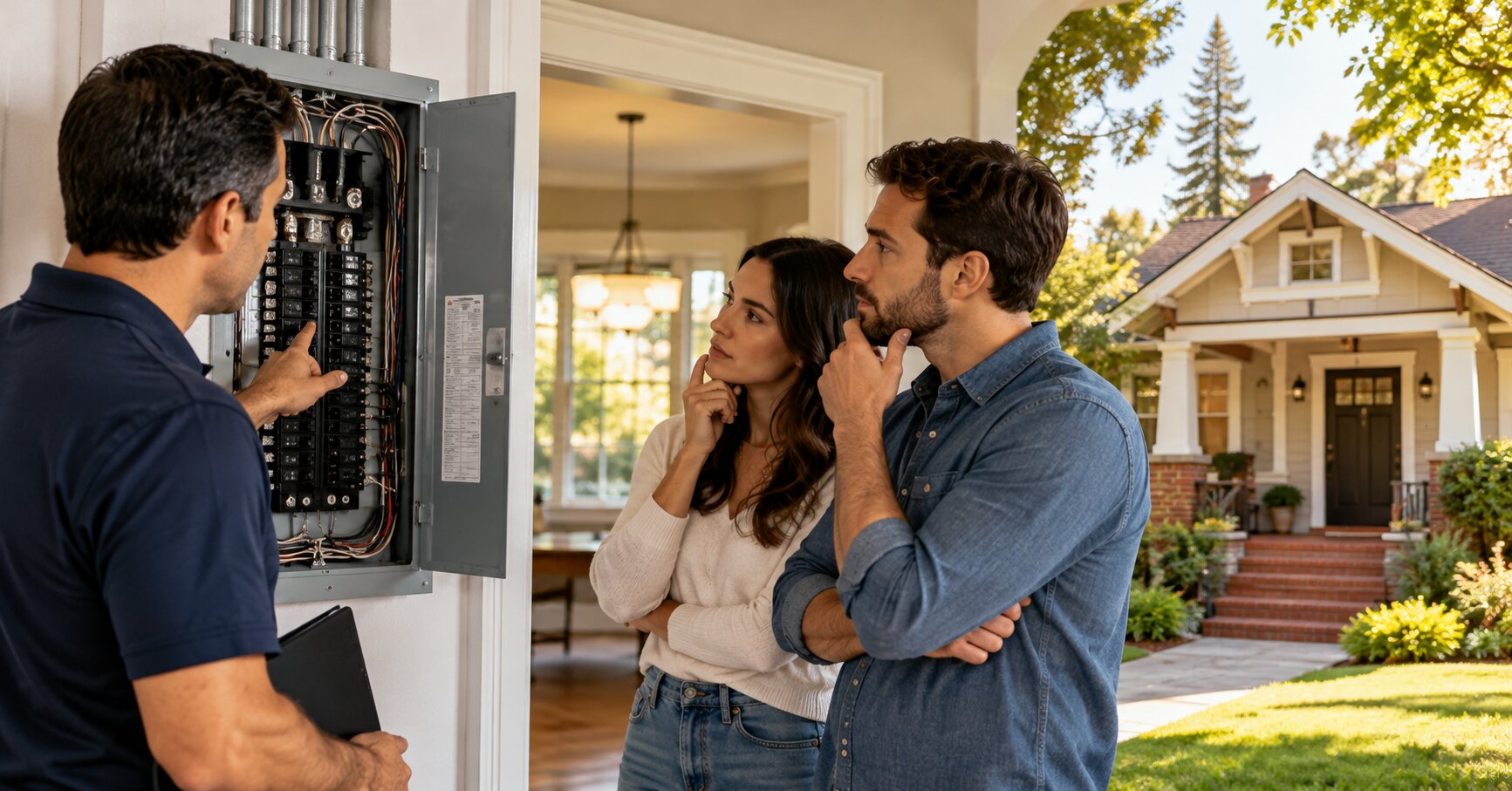
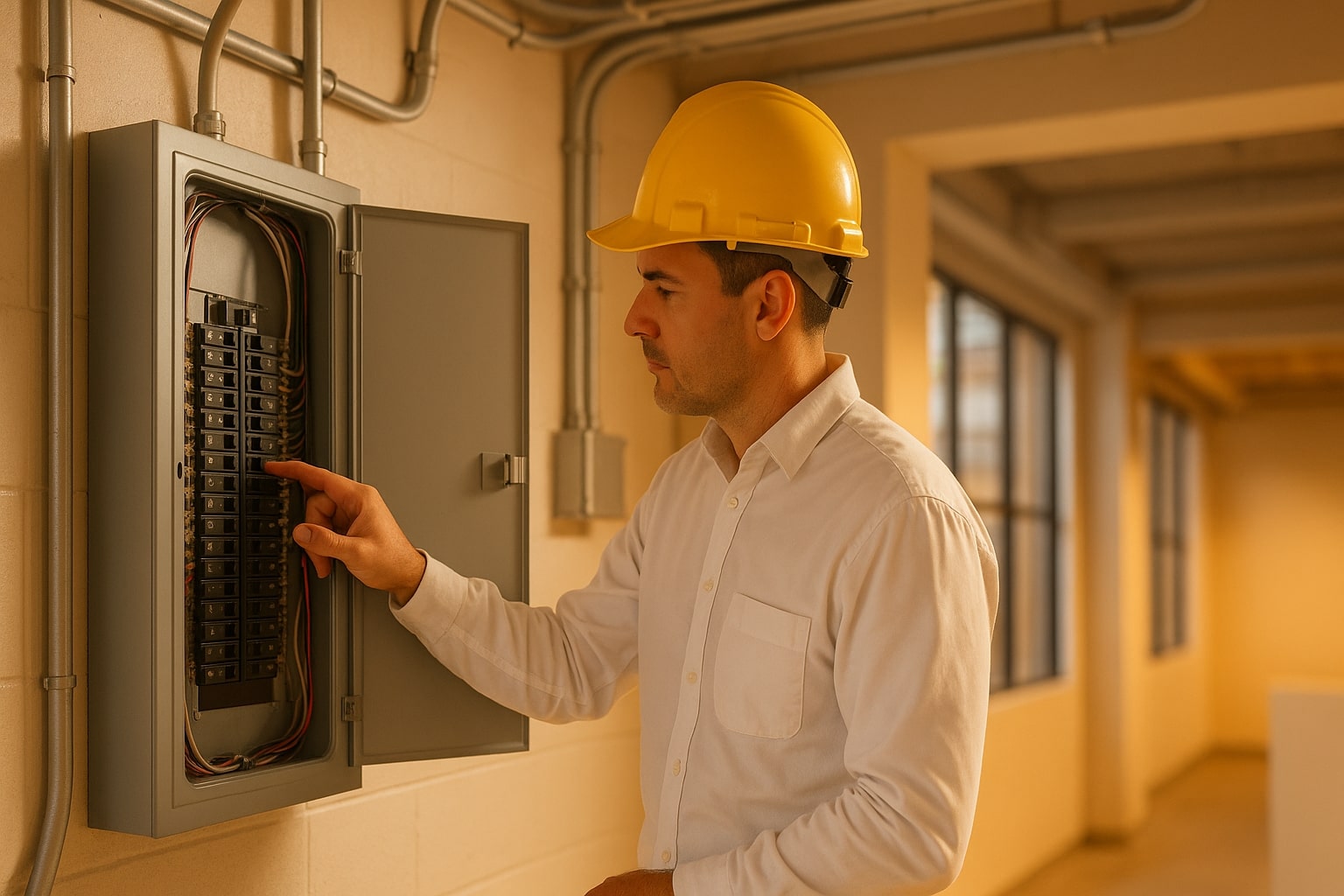
Your home’s electrical panel distributes electricity throughout the property and houses the circuit breakers that protect individual circuits.
In older homes, electrical panels may have been installed decades ago, when households had fewer appliances and lower electrical demands.
While an older panel doesn’t automatically need replacement, its condition and capacity should be evaluated before purchasing the property.
Signs an Electrical Panel May Need Attention
Some warning signs include:
- Circuit breakers that frequently trip
- Rust or corrosion around the panel
- Buzzing or crackling sounds
- Evidence of overheating
- Limited space for additional circuits
- An outdated panel with an unknown maintenance history
Homebuyers should also consider their future plans.
Installing an electric vehicle charger, upgrading kitchen appliances, or adding new air conditioning equipment may require additional electrical capacity.
A professional evaluation can determine whether the existing equipment is suitable or whether improvements should be considered.
For homeowners purchasing older properties, residential electrical panel upgrades in Los Angeles and Orange County may be appropriate when the existing equipment cannot safely or adequately support the home’s electrical needs.
Understanding the panel’s condition before moving in can help buyers prepare for potential improvements rather than discovering problems during a future renovation.
2. Aging or Outdated Electrical Wiring
One of the biggest challenges with older homes is that most electrical wiring is hidden behind walls, ceilings, and floors.
A property may look beautifully maintained while still containing wiring installed decades earlier.
Some older homes have undergone complete electrical renovations. Others may have a combination of original wiring and newer modifications.
The important question isn’t simply how old the wiring is.
It’s whether the electrical system remains in suitable condition for continued use.
Common Concerns With Older Wiring
Depending on the age and history of the property, an electrician may encounter:
- Deteriorating insulation
- Improperly modified wiring
- Loose electrical connections
- Older wiring methods requiring evaluation
- Circuits without equipment grounding conductors
- Wiring that was altered during previous renovations
These conditions can affect electrical safety and the home’s ability to accommodate future improvements.
For example, a homeowner planning to remodel a kitchen may discover that the existing wiring needs additional work before new appliances can be installed.
That can increase the renovation budget and delay the project.
Homebuyers researching electrical contractors in Los Angeles should look for professionals experienced in evaluating existing residential electrical systems, particularly those found in older Southern California properties.
A qualified electrician can assess accessible wiring and recommend further investigation when necessary.
3. Outlets Without Proper Grounding or Protection
Electrical outlets are among the most frequently used components in a home, yet they often receive little attention during property showings.
Older homes may have two-prong outlets, outdated receptacles, or electrical modifications that weren’t completed correctly.
Some properties also lack ground-fault circuit interrupter protection in locations where modern electrical codes require it for new or modified installations.
Ground-fault circuit interrupters, commonly called GFCIs, are designed to reduce the risk of electric shock.
They are particularly important in areas where electricity and moisture may come into contact.
Depending on the applicable electrical code and project scope, these locations may include bathrooms, kitchens, garages, outdoor spaces, and other areas.
What Should Homebuyers Look For?
During a walkthrough, pay attention to:
- Cracked or damaged outlet covers
- Loose receptacles
- Discoloration around outlets
- Outlets that appear unusually old
- A lack of conveniently located receptacles
- Extension cords being used as permanent electrical solutions
A three-prong outlet doesn’t necessarily mean the circuit has proper grounding.
An electrician can perform appropriate testing to determine whether outlets and protective devices are functioning as intended.
Addressing these concerns can improve the home’s electrical safety and usability.
4. Flickering Lights and Frequently Tripping Breakers
When touring an older home, turn on lights and observe how the electrical system behaves.
Do the lights flicker?
Do they dim when appliances start?
Does a circuit breaker trip when multiple devices are running?
These symptoms don’t always indicate a serious problem, but they shouldn’t be ignored.
Flickering lights may result from something as simple as an incompatible dimmer switch or a loose bulb.
However, repeated flickering can also involve loose electrical connections, circuit problems, or issues affecting the electrical service.
Circuit breakers that trip frequently may indicate excessive electrical demand, faulty equipment, or other electrical conditions requiring investigation.
Warning Signs That Need Professional Attention
Be especially cautious if you notice:
- Frequent breaker trips
- Burning smells near electrical equipment
- Buzzing sounds from switches or outlets
- Outlets that become unusually warm
- Repeated power interruptions
- Lights that unexpectedly brighten or dim
These symptoms can indicate electrical conditions that deserve prompt evaluation.
If there are signs of active overheating, smoke, or sparking, avoid using the affected equipment and seek professional assistance.
A specialized residential electrical inspection in Los Angeles and Orange County can help identify accessible electrical concerns and determine whether repairs or additional testing are necessary.
For buyers, understanding these issues before completing the purchase can provide valuable information about the property’s condition.
5. Electrical Work From Previous Renovations
Many older homes have undergone several renovations.
A kitchen may have been remodeled fifteen years ago.
A garage may have been converted into a bedroom.
An additional bathroom may have been installed.
Some properties may also have accessory dwelling units or outdoor entertainment areas that weren’t part of the original construction.
While renovations can increase a property’s appeal, they may also introduce electrical concerns.
The challenge is determining whether the work was properly planned and completed.
Questions Buyers Should Ask
Before purchasing an older property, consider asking:
- Were electrical permits obtained for major renovations?
- Were required inspections completed?
- Were new circuits installed for additional appliances?
- Was the electrical panel evaluated during remodeling?
- Are records available for previous electrical improvements?
A renovated kitchen may contain modern appliances connected to circuits that weren’t designed for their electrical demands.
Likewise, a converted garage may have electrical modifications that deserve closer examination.
Homebuyers should request available permit and renovation records and discuss significant concerns with a qualified professional.
An electrical evaluation can help identify accessible problems, although concealed conditions may require additional investigation.
For buyers investing in an older property, reviewing previous electrical improvements can help reduce uncertainty before starting another renovation.
6. Insufficient Electrical Capacity for Modern Appliances
One of the most common challenges with older homes is accommodating modern electrical equipment.
Today’s households often use significantly more electrical devices than previous generations.
Consider the equipment found in many modern homes:
- Central air conditioning
- Electric ranges and ovens
- High-capacity washers and dryers
- Home office computers and equipment
- Electric vehicle chargers
- Additional refrigerators and freezers
- Smart home technology
- Outdoor entertainment systems
An older home’s electrical system may function adequately under its current load but require improvements when additional equipment is installed.
That’s why homebuyers should think beyond their immediate needs.
Plan for Future Electrical Improvements
If you’re purchasing a property with plans to renovate, ask yourself:
Will I remodel the kitchen?
Do I want to install an EV charger?
Am I planning to add an accessory dwelling unit?
Will I replace existing heating or cooling equipment?
Do I need additional outlets or dedicated circuits?
These improvements may affect the electrical capacity required.
For homebuyers looking for electrical contractors Orange County homeowners can consult, AMTEK Construction provides residential electrical services that can help evaluate existing infrastructure and plan appropriate upgrades.
A professional electrical assessment, including load calculations when needed, can help determine whether the existing electrical system is suitable for future improvements.
As explained in Insiders Business’s earlier article on how electrical contractors can provide energy-efficient solutions, electrical improvements can also be part of a broader effort to make properties more efficient.
For older-home buyers, evaluating electrical capacity early can help them make better decisions about future upgrades.
7. Outdoor Electrical Systems That May Need Repairs
When buying an older home, it’s easy to focus entirely on the interior.
However, outdoor electrical systems deserve attention too.
Southern California’s climate encourages homeowners to spend time outdoors, making patios, pools, garages, and backyard entertainment areas important parts of residential properties.
Older homes may have outdoor electrical installations that were added or modified over many years.
These systems can experience weather exposure, physical damage, or deterioration.
Outdoor Electrical Areas Worth Inspecting
Pay attention to:
- Exterior outlets and protective covers
- Landscape lighting
- Garage and workshop wiring
- Electrical connections near pools or spas
- Outdoor kitchen equipment
- Patio lighting
- Exposed or damaged wiring
Electrical equipment near pools and spas requires particular care because of the risks associated with electricity and water.
Homebuyers should also consider whether outdoor electrical installations will support planned improvements.
For example, adding landscape lighting, an outdoor kitchen, or a backyard office may require additional electrical work.
Evaluating these systems before moving in can help identify safety concerns and establish a realistic improvement budget.
Why Electrical Inspections Matter When Buying Older Homes in Southern California
Los Angeles and Orange County have many established neighborhoods containing homes built across several decades.
These properties can vary significantly in age, construction methods, and renovation history.
Some have received extensive electrical upgrades.
Others may still contain substantial portions of their original electrical systems.
Two homes built during the same period can have completely different electrical conditions.
That’s why homebuyers shouldn’t assume that an older property is unsafe or that a beautifully renovated house has a fully updated electrical system.
The best approach is to evaluate the actual condition of the property.
A general home inspection is an important part of the purchasing process, but it may not provide a complete evaluation of every electrical concern.
When significant issues are identified, a specialized electrical inspection can provide additional information.
What Does an Electrical Inspection Include?
The scope of an electrical inspection depends on the property and the concerns being investigated.
A qualified electrician may evaluate accessible components such as:
- Electrical panels and circuit breakers
- Visible wiring and connections
- Outlets and switches
- Grounding and bonding
- GFCI and other protective devices
- Lighting circuits
- Signs of electrical damage or overheating
- Relevant electrical service equipment
Additional testing may be recommended when specific problems are identified.
It’s also important to understand that not every electrical component can be inspected without opening walls or removing finishes.
A professional should explain the inspection’s scope, findings, and limitations.
For homebuyers, this information can help distinguish immediate safety concerns from improvements that may be planned over time.
Should You Get an Electrical Inspection Before Closing?
If you’re purchasing an older home, consider arranging an electrical evaluation during the appropriate stage of the buying process.
Your real estate agent can help you understand inspection contingencies and the timing available under your purchase agreement.
A specialized inspection may be particularly useful when:
- The home has an older electrical panel
- The general inspection identifies wiring concerns
- The property has undergone extensive renovations
- There are visible electrical warning signs
- You plan major electrical improvements after purchasing
Identifying potential problems before closing can help buyers make more informed decisions about repairs, renovation budgets, and future improvements.
Although no inspection can guarantee that every concealed problem will be discovered, a professional assessment can provide valuable information about the home’s electrical condition.
Does Every Older Home Need New Wiring or an Electrical Panel?
No.
The age of a home alone doesn’t determine whether its electrical system needs replacement.
Some older properties have well-maintained electrical infrastructure or have received appropriate upgrades over time.
Others may contain equipment that requires repair, modification, or replacement.
The decision should depend on actual conditions, applicable safety requirements, and the home’s intended electrical use.
An electrician can help determine whether specific repairs are appropriate or whether more extensive improvements should be considered.
Replacing electrical equipment without first understanding the underlying problem may lead to unnecessary expenses.
A careful evaluation helps homeowners prioritize work based on genuine needs.
How Much Should Homebuyers Budget for Electrical Improvements?
Electrical improvement costs depend on the condition of the property and the scope of the work.
Replacing a damaged receptacle is a relatively small project compared with installing new circuits, upgrading electrical service equipment, or rewiring significant portions of a house.
Factors affecting the cost may include:
- The age and condition of existing electrical equipment
- Accessibility of wiring
- The extent of required repairs
- Permit and inspection requirements
- Planned renovations
- Additional electrical capacity needs
Rather than relying on general estimates, buyers should obtain a professional evaluation when significant electrical concerns are identified.
Understanding potential costs before moving in can help homeowners prioritize improvements and avoid surprises during future renovations.
Choosing Electrical Contractors in Los Angeles and Orange County
Older homes require thoughtful electrical planning.
A qualified electrical contractor should evaluate existing equipment, consider previous modifications, and recommend improvements based on the property’s actual condition.
For buyers researching electrical contractors in Los Angeles, experience with residential inspections, electrical troubleshooting, and panel upgrades can be especially valuable.
Likewise, homeowners seeking an electrical contractor Orange County properties can depend on should look for a professional who can explain electrical concerns clearly and recommend practical solutions.
AMTEK Construction serves homeowners throughout Los Angeles and Orange County, helping evaluate residential electrical systems and plan improvements for existing properties.
Whether you’re purchasing a historic home, a mid-century property, or a house that has undergone multiple renovations, understanding the electrical infrastructure can help you prepare for the future.
Frequently Asked Questions About Electrical Problems in Older Homes
Is it safe to buy a home with older electrical wiring?
Older wiring doesn’t automatically make a property unsafe. However, its condition, type, and previous modifications should be evaluated by a qualified electrician.
Should I replace the electrical panel before moving in?
Not necessarily. Panel replacement depends on the equipment’s condition, capacity, and any identified safety concerns.
Can a regular home inspection identify electrical problems?
A general home inspection may identify visible concerns, but specialized electrical testing or evaluation may be necessary for certain issues.
What are the most serious electrical warning signs in an older house?
Burning odors, repeated breaker trips, signs of overheating, damaged outlets, and unexplained electrical interruptions can indicate conditions requiring professional attention.
Can I install an electric vehicle charger in an older home?
Often, yes. However, the electrical panel, service capacity, and relevant circuits should be evaluated before installation.
Do older homes need additional electrical circuits?
Some do, particularly when new appliances or equipment are installed. The need for additional circuits depends on the existing system and intended electrical loads.
Is an electrical inspection worth getting before purchasing an older home?
An electrical inspection can be valuable when the property has an unknown electrical history, visible concerns, or planned renovations that may increase electrical demand.
Final Thoughts: Look Beyond the Walls Before Buying an Older Home
Older homes offer charm, character, and opportunities that can make them attractive investments.
But buying an established property also means understanding the systems that support everyday living.
An aging electrical panel, outdated wiring, improperly modified outlets, or insufficient electrical capacity can affect your renovation plans and future expenses.
Some concerns may be straightforward to resolve.
Others may require more extensive improvements.
The important thing is understanding the property’s electrical condition before making major decisions.
For buyers throughout Los Angeles and Orange County, a professional electrical evaluation can help identify concerns, clarify improvement priorities, and support better planning.
AMTEK Construction provides residential electrical services, including inspections, troubleshooting, and panel upgrades, for homeowners throughout Southern California.
If you’re purchasing an older property or preparing for renovations, contact AMTEK Construction to discuss your electrical needs before moving in.